Google just gave Android phones a laptop of their own
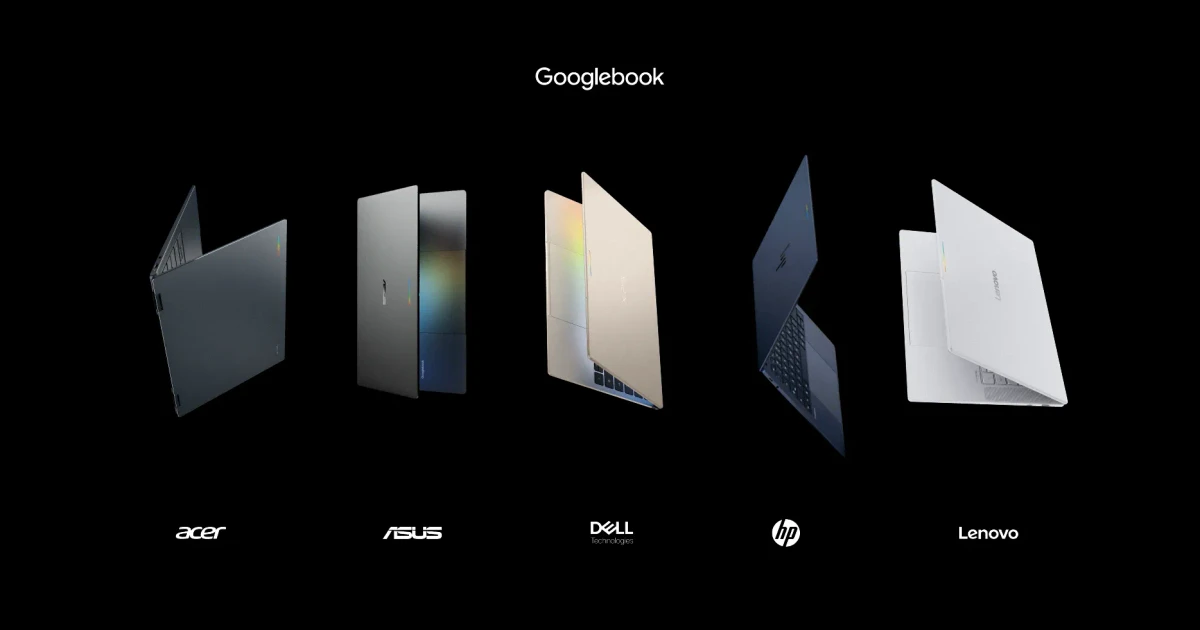
Google officially launched Googlebook on September 21, 2026, a new laptop category built to pair with an Android phone the way a Mac pairs with an iPhone. Pre-orders are open now for the Acer and Lenovo models on the Google Store, Best Buy, and select retailers (Dell's page currently offers a notify-me signup instead), with devices arriving on shelves October 4 in the US.
Cover photo: Google.
- New laptop category from Google, built on Android and Chrome, running Gemini Intelligence.
- Five flagship laptops at launch from Acer, ASUS, Dell, HP, and Lenovo, starting at $899.
- Intel Core Ultra Series 3 or Snapdragon X Elite chips, 16GB RAM (32GB on some models), NPUs over 45 TOPS.
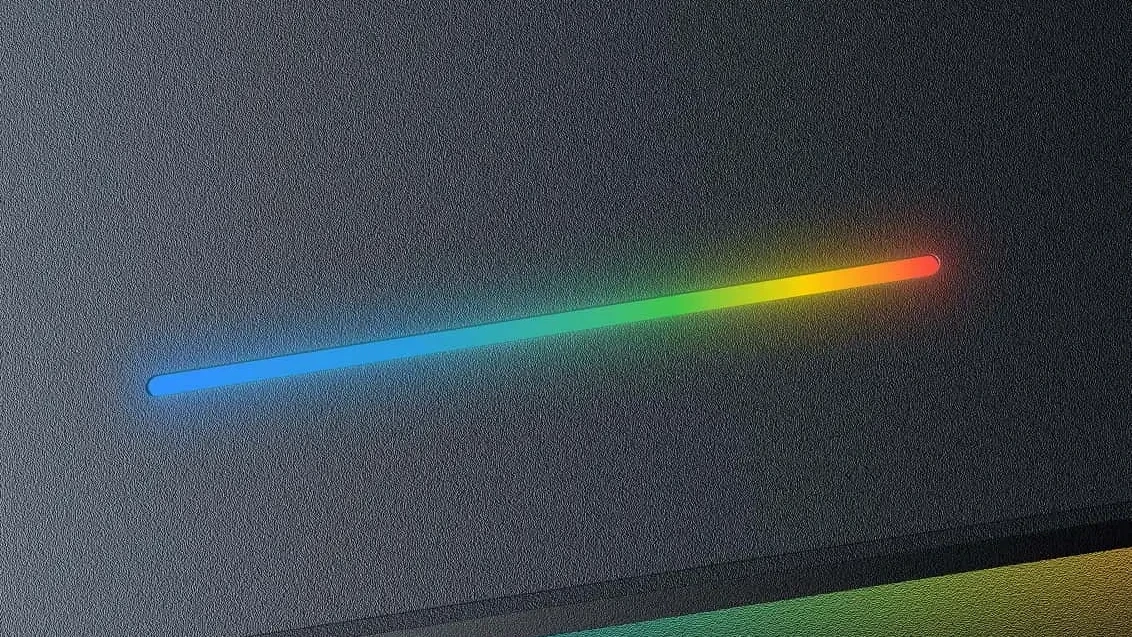
- Touchscreens up to 2.8K OLED, up to 14 hours of video playback, and a light-up 'Glowbar' on the lid.
- In stores October 4 in the US, October 5 in Canada, the UK, Ireland, France, Germany, and Australia.
What Googlebook actually is
Googlebook is not a Chromebook and not a Pixelbook. Google built it as a new laptop platform that combines Android's app catalog and Google Play with the Chrome browser people already use on the desktop, all wrapped around Gemini. The pitch, straight from Google's announcement, is a laptop "designed for Gemini Intelligence" that syncs tightly with whatever Android phone is already in your pocket.
Every Googlebook also ships with 12 months of Google AI Pro (5TB of cloud storage plus Gemini Advanced), 3 months of YouTube Premium and Adobe Photoshop, a complimentary year of GeForce NOW, and a promise of feature updates for up to 10 years.
The AI features built into the desktop
Google is leaning hard on three headline software features:
- Magic Pointer: wiggle the cursor and Gemini appears over whatever is on screen, ready to organize a calendar, translate text, or act on what it sees. It only responds when asked, and can be switched off entirely.
- Rambler: a dedicated key next to Quick Insert that turns rambling, spoken thoughts, even across multiple languages, into structured notes with headers and checklists.
- Create My Widget: describe a widget in plain language and Gemini builds it, so the desktop can show custom, relevant updates through the day.
Unlike the old Pixelbook line, Googlebook is not a Google-built device. Google set the software and a baseline spec, and five hardware partners (Acer, ASUS, Dell, HP, and Lenovo) build the actual laptops, similar to how Android phones work.
Built to pair with your Android phone
Because Googlebook runs on the Android stack, it leans on your phone in ways a Mac does not. Continue On picks up a task where you left off on your phone, straight from the taskbar. Files lets you view, search, and open your phone's photos and documents without transferring anything. Cast My Apps streams and controls individual phone apps in a desktop window, so you can order food or grab a one-time code without leaving the laptop.
For developers, Googlebook ships with Antigravity, Google's AI agent development platform, plus a full Linux terminal powered by a Level 5 security-certified pKVM hypervisor. Security is anchored by the Google Titan C2 chip and on-device malware detection, the same architecture ChromeOS uses.
Every Googlebook model, spec, and price
Google mandated a shared baseline across the lineup: 16GB of RAM (32GB on higher-end models), a touchscreen up to 2.8K resolution in OLED or LCD, up to six speakers with Dolby Atmos, noise-cancelling microphones, backlit keyboards, and haptic glass trackpads. Processors come from Intel (Core Ultra Series 3, code-named Panther Lake) or Qualcomm (Snapdragon X Elite), each paired with an NPU rated at 45 TOPS or higher for on-device AI.
Here is what is confirmed for the individual models so far:
Acer Googlebook 14
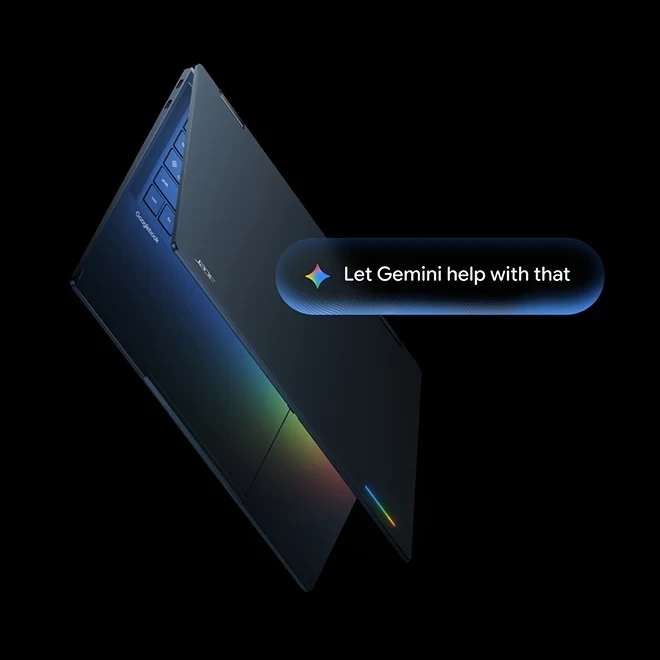
Image: Google
The cheapest way into Googlebook, at $899: a 14-inch 2.8K OLED touchscreen, 16GB RAM, 512GB storage, an Intel Core Ultra 5 chip, an ultra-slim convertible design, and the signature Glowbar lighting strip.
- Runs on
- Intel Core Ultra 5
- Skip if
- You want the largest screen or most RAM
- Build
- Convertible form factor
- Special
- Glowbar lighting strip, up to 16 hours battery
Dell XPS Googlebook
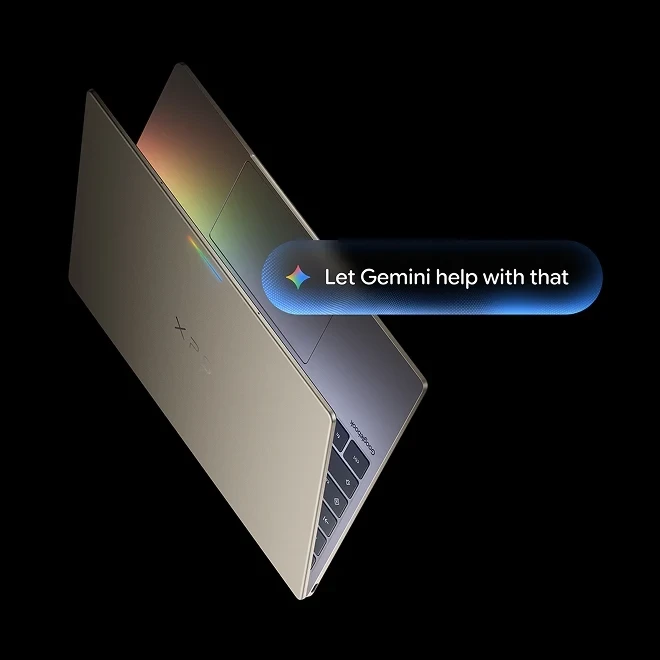
Image: Google
Dell brings its XPS design language to Googlebook at $1,199: a 13.4-inch clamshell that weighs 2.2 lbs, with a 2560 x 1600 LCD touchscreen, 16GB RAM, 512GB storage, and a Qualcomm Snapdragon X Elite (X1E-80-100) chip. Unlike the Acer and Lenovo models, Dell's page still shows a notify-me signup rather than a pre-order button.
- Runs on
- Qualcomm Snapdragon X Elite
- Skip if
- You are on a tight budget
- Build
- 13.4-inch clamshell, 2.2 lbs
Lenovo Googlebook 15
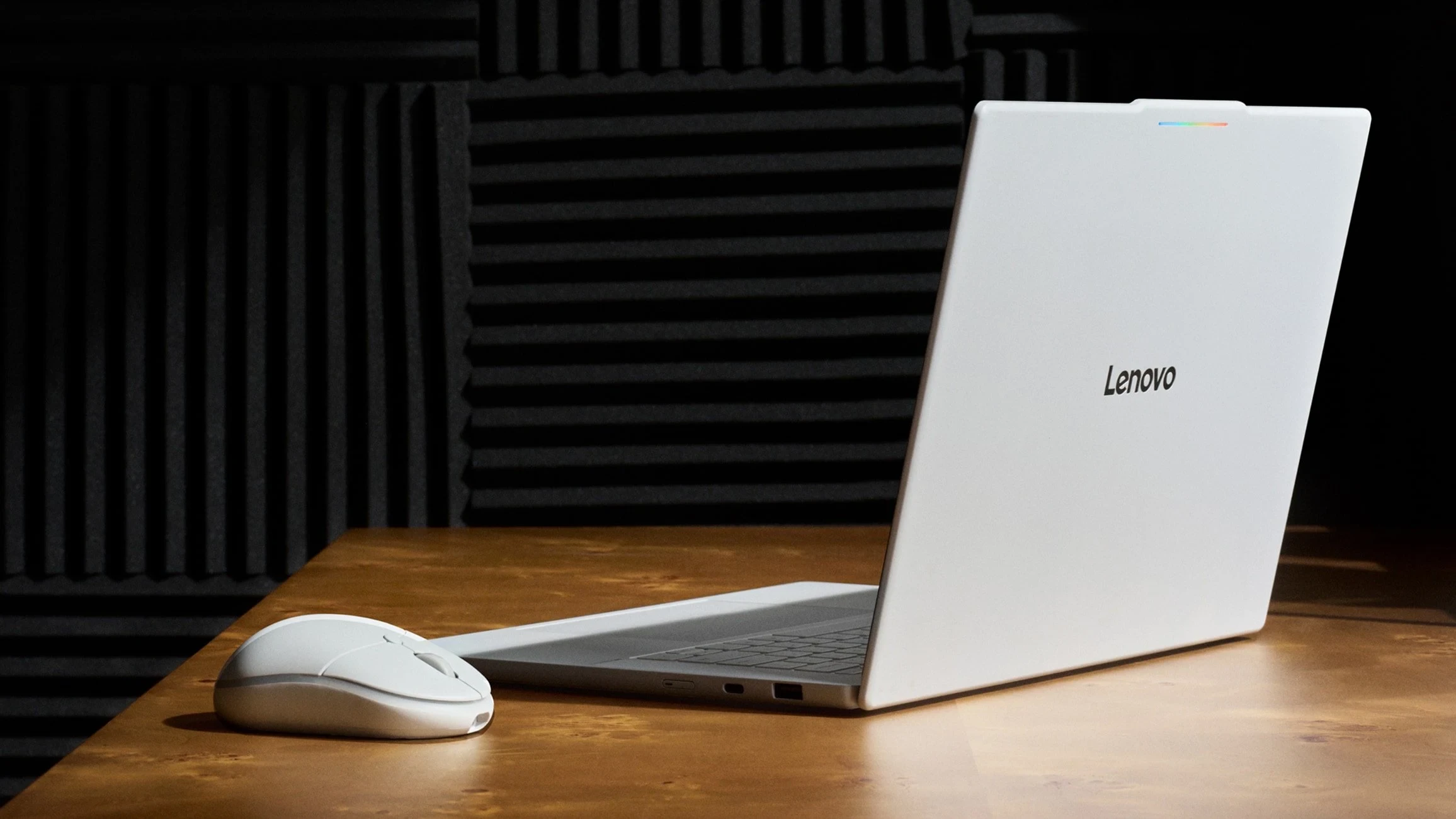
Image: Google
The priciest launch model at $1,349: a 15.3-inch OLED touchscreen, an Intel Core Ultra 5 chip, 16GB RAM, and 512GB of storage. Lenovo bundles a free Lenovo AI mouse with every purchase.
- Runs on
- Intel Core Ultra 5
- Skip if
- You want the smallest, lightest option
- Special
- Bundled free Lenovo AI mouse
HP and ASUS round the lineup out to five flagship devices. Google describes the ASUS model as "feather-light at just 2.2 pounds", while the HP model is "as beautiful closed as it is open". Neither had a listed price or spec sheet on the Google Store at the time of writing; this article will be updated once Google or the retailers publish them.
Release dates by country
Pre-orders are live now on the Google Store, Best Buy, and select retailers. Devices hit shelves on:
- October 4: United States
- October 5: Canada, United Kingdom, Ireland, France, Germany, and Australia
FAQs
What is Google Googlebook?
How much does a Googlebook cost?
When can I buy a Googlebook?
Is Googlebook the same as a Chromebook or Pixelbook?
What chips does Googlebook use?

Amit loves new tech and apps that make life easier, he writes about apps, games and useful websites on TheTechBasket.