A 24/7 YouTube stream needs a machine that stays on, a looping video or radio-style feed, and OBS pointed at your stream key. The full stack takes under an hour once content and a host are ready.
Plan audio rights before you go live. Our music for YouTube videos guide lists licensed sources. For Shorts cutdowns later, see YouTube videos to Shorts.
What to prepare
1. Content and metadata
Prerequisite
Lock your loop (image, GIF, video file, or live feed), background music or station audio, title, description, tags, and credit links. Write them before touching OBS so the stream does not sit idle on a test title.
2. Software stack
Prerequisite
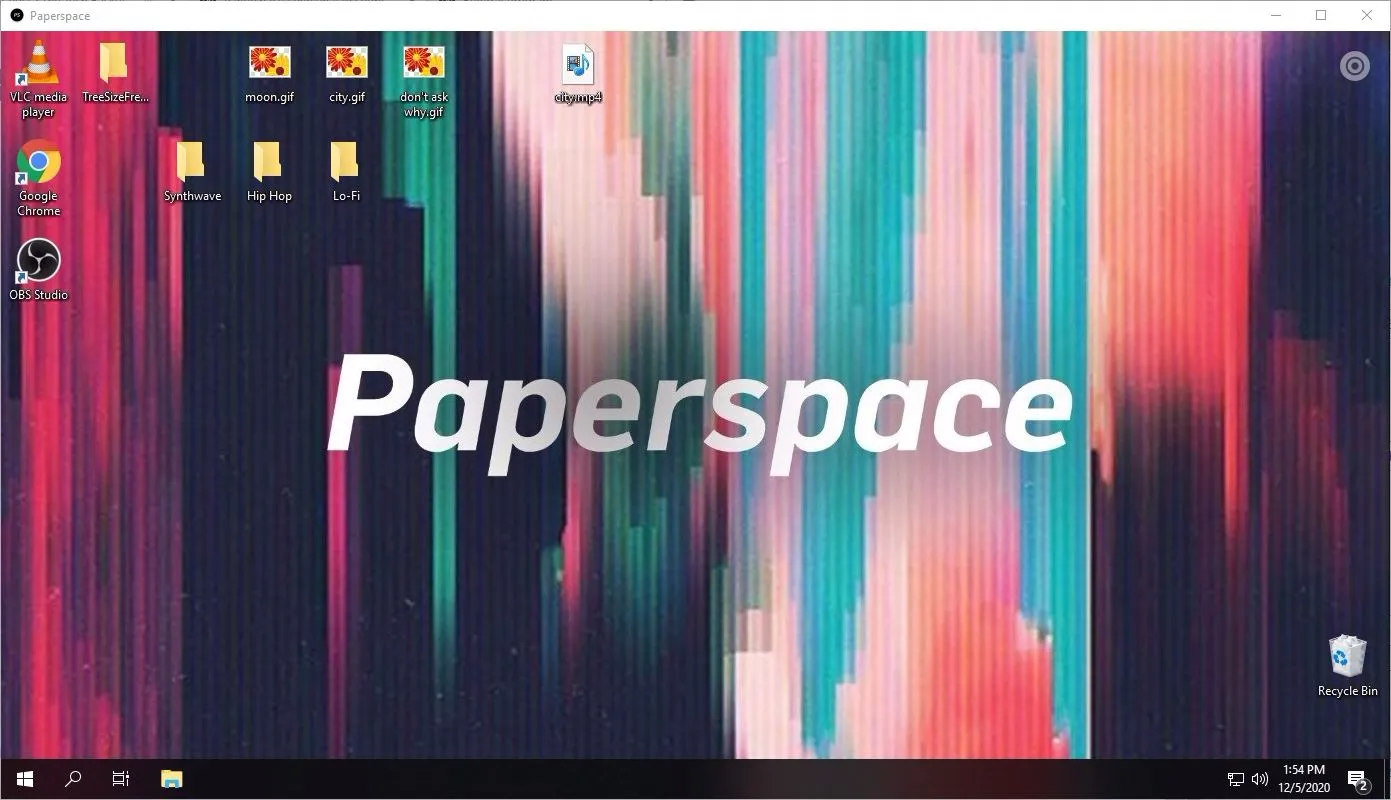
Install OBS Studio and VLC 64-bit on the Windows host. VLC unlocks the VLC Video Source for folder-based audio playlists. Test the scene locally before leaving the machine unattended.
Choose a streaming host
3. OhBubble
Managed
OhBubble sells browser-accessible Windows desktops with OBS pre-installed and tuned for 24/7 streams. Published monthly plans (September 2026): Platinum $19.99 (1080p at 1 FPS), Sapphire $39.99 (720p at 30 FPS), Gold $49.99 (1080p at 30 FPS), Diamond $69.99 (1440p at 30 FPS). Expect a short provisioning queue after purchase; support can adjust encoder settings if you are new to OBS.
4. Paperspace Core
GPU cloud
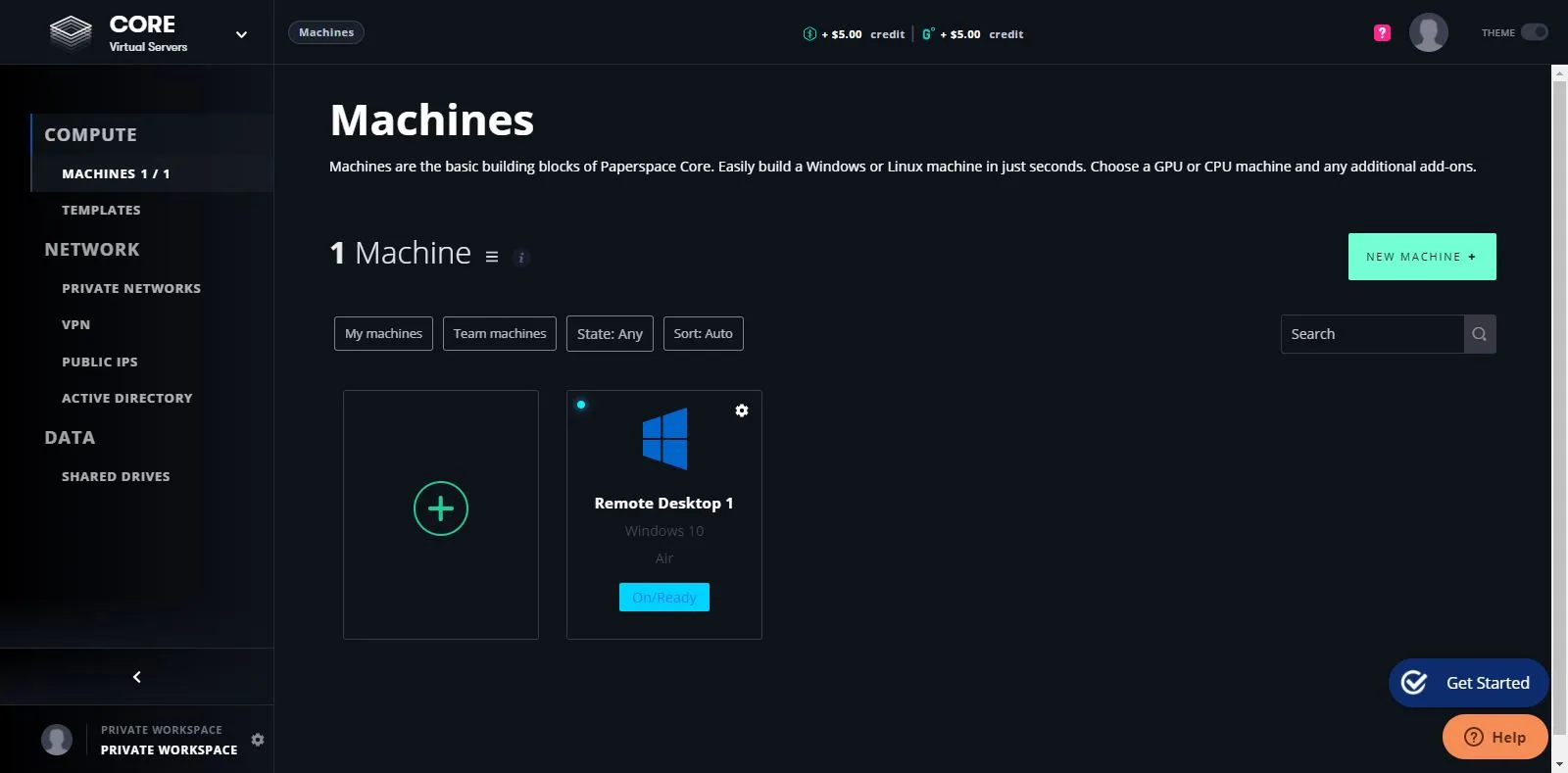
Paperspace is now part of DigitalOcean but existing Core machines still launch from the Paperspace console. Windows instances with included GPU licenses bill hourly or monthly. Core tiers start around Air $22/month, Standard $35/month, Advanced $65/month, and Pro $120/month (storage included on monthly plans). Pick monthly billing for always-on streams; disable auto-shutdown in the console or the VM will power off.
Configure OBS for YouTube
5. Stream settings
OBS step
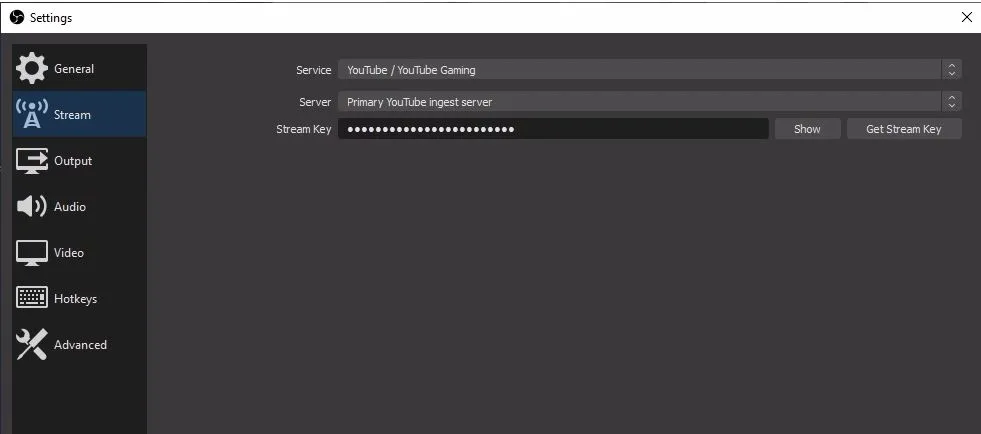
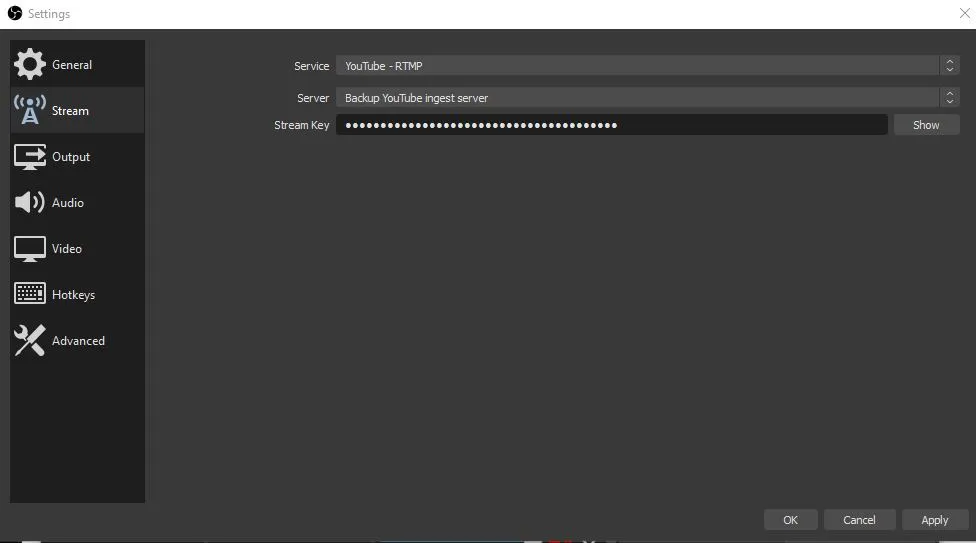
Open Settings > Stream. Set service to YouTube, server to Primary YouTube ingest, and paste the stream key from YouTube Studio Live or the live dashboard. Keep the key private.
6. Output encoder
OBS step
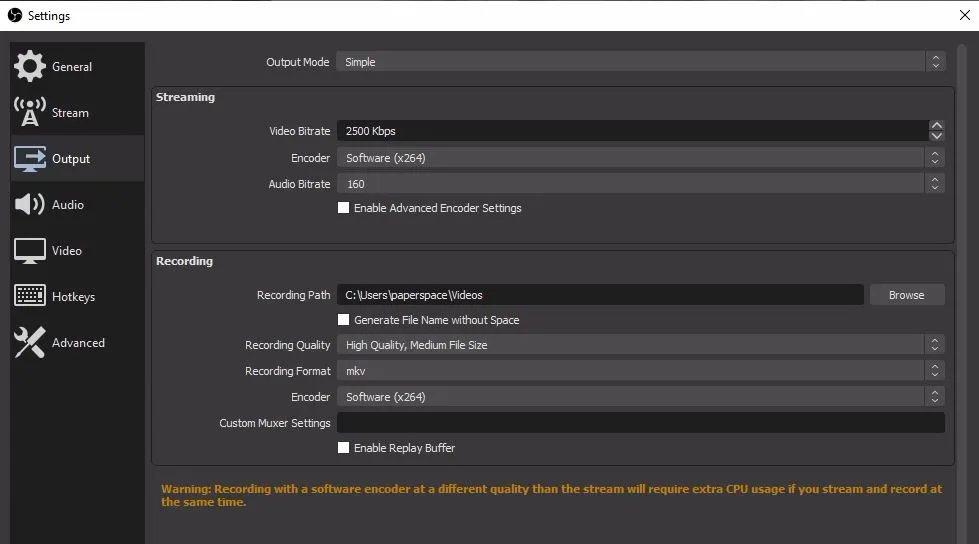
Under Settings > Output, choose Software (x264) on Paperspace unless NVENC is available on your plan. OhBubble presets are usually locked; ask support before changing bitrate targets.
7. Video resolution
OBS step
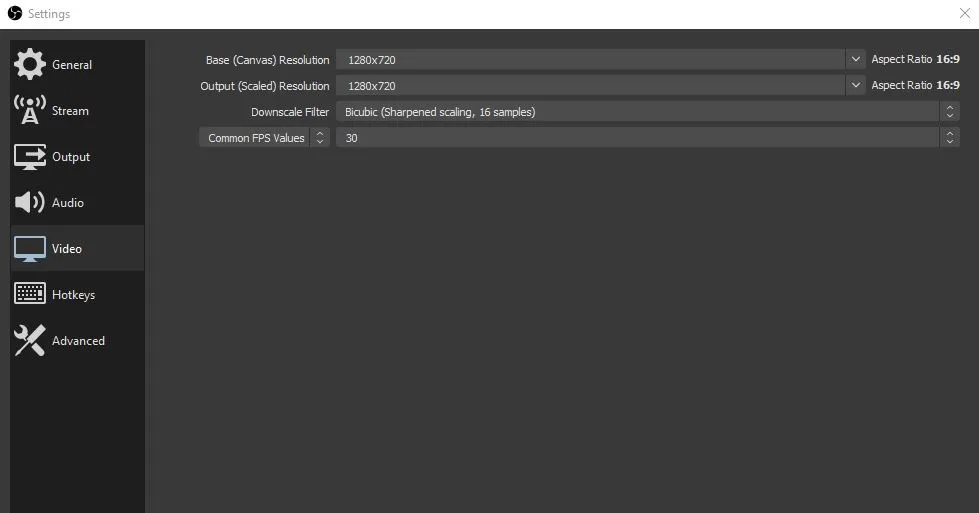
In Settings > Video, match base and output resolution (720p at 30 FPS is a safe default for lo-fi). Set common FPS to 30 unless your host plan advertises a lower cap.
8. Scenes and sources
OBS step
Add sources to your scene:
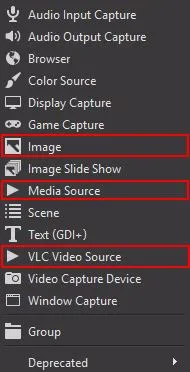
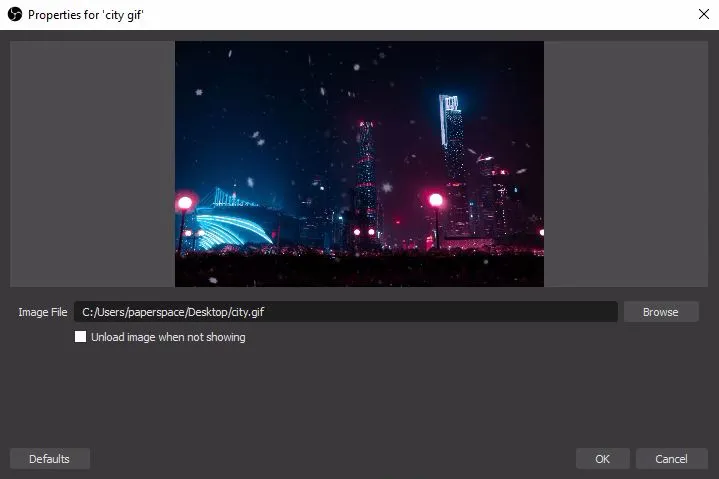
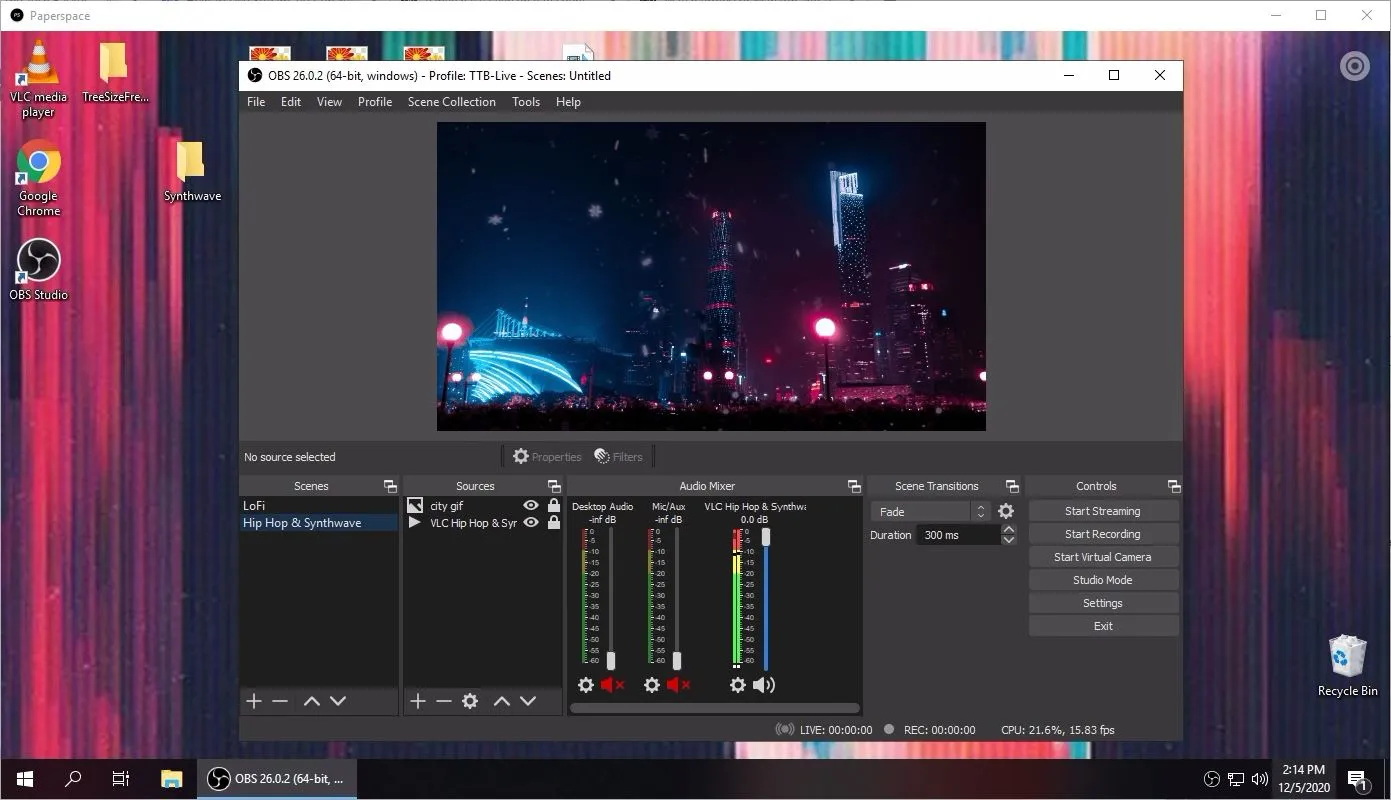
- Image for a static background or looping GIF file.
- Media Source with loop enabled for a single video or audio file.
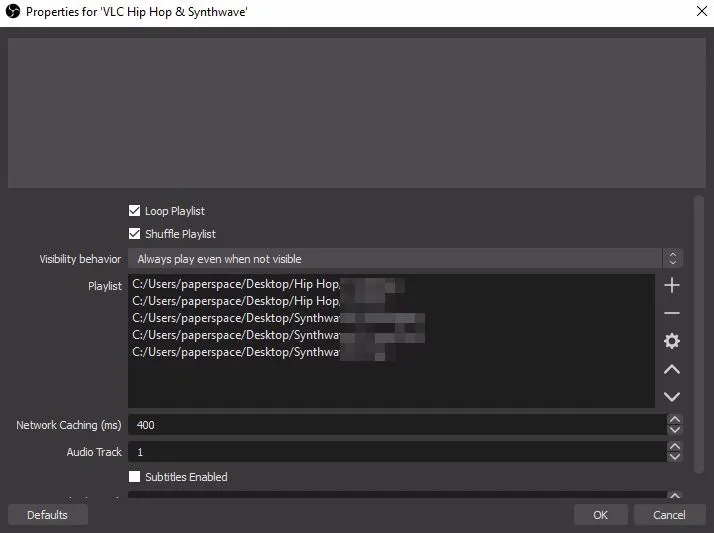
- VLC Video Source (requires VLC 64-bit) for a folder of tracks; enable Loop Playlist and Always play even when not visible.
Mute unused entries in the audio mixer so only your intended track reaches YouTube.
Backup ingest and go live
9. Backup server
Failover
Clone the setup on a second host. In Settings > Stream, switch the server to Backup YouTube ingest with the same stream key. Keep the backup machine off until the primary fails to avoid duplicate streams.
10. Start streaming
Go live
Run a private test stream first. When audio and video loop cleanly, set visibility to public, click Start Streaming, and leave OBS running (minimize instead of closing the remote session). Monitor YouTube Studio for dropped frames and copyright claims on music.
Can I stream 24/7 on YouTube for free?
What bitrate should I use for a lo-fi stream?
Why use VLC instead of Media Source for music?
Does Paperspace still exist?
What happens if my server reboots?
Can I stream copyrighted music 24/7?

Amit loves new tech and apps that make life easier, he writes about apps, games and useful websites on TheTechBasket.